
Introduction
The condition hypertension affects people worldwide as one of the most widespread yet under-recognized health issues. Hypertension develops when the force of blood against your artery walls stays consistently too high. This makes your heart work harder than it should. Over time, this added strain increases the risk of serious complications. Complications include heart attack, stroke, and kidney disease. Understanding hypertension—what triggers it, how to recognize it, and how to manage it—helps protect your long-term health.
What Is Hypertension?
Hypertension occurs when blood pushes against your artery walls with more force than normal. As a result, your heart must pump harder to circulate blood throughout the body. Left not managed, this constant extra workload can damage blood vessels and vital organs. It raises the risk of cardiovascular disease, stroke, and kidney problems.
Understanding Blood Pressure Readings
A blood pressure reading has two numbers:Systolic pressure – measures the pressure in your arteries when your heart beats.Diastolic pressure – measures the pressure in your arteries when your heart rests between beats.
Blood Pressure
Category
| Category | Systolic (mm Hg) | And/Or | Diastolic (mm Hg) |
|---|---|---|---|
| Healthy | Less than 120 | And | Less than 80 |
| Elevated | 120–129 | And | Less than 80 |
| Stage 1 Hypertension | 130–139 | Or | 80–89 |
| Stage 2 Hypertension | 140 or higher | Or | 90 or higher |
| Hypertensive Crisis | Over 180 | — | Not provided |
A normal, healthy blood pressure reading is around 120/80 mmHg .
A blood pressure of 180/120 mmHg or higher indicates a hypertensive emergency that requires immediate medical attention.
What Causes High Blood Pressure?
Primary (Essential) Hypertension
This type OF Hypertension develops gradually and results from a combination of factors:
Genetics—family history of hypertension raises your risk.
Age—blood vessels stiffen and lose elasticity over time.
Diet—excessive salt intake contributes greatly.
Weight—being overweight strains the heart and vessels.
Lifestyle—physical inactivity,
chronic stress,
smoking, and heavy alcohol use raise blood pressure.
Secondary Hypertension
An underlying medical condition causes secondary hypertension, including:
Kidney disease – chronic kidney disease or narrowed arteries supplying the kidneys.
Endocrine disorders – such as thyroid disease.
Sleep Apnea – obstructive sleep apnea disrupts sleep and triggers the body’s fight-or-flight response.
Medications – including certain antidepressants, oral contraceptives, and substances like cocaine.
Pregnancy – conditions such as Pre-eclampsia or new-onset hypertension during pregnancy.
Warning Signs and Symptoms of Hypertension
Medical professionals often label hypertension as a ‘silent’ condition because it may show no symptoms until it becomes severe. Watch for: Severe, persistent headaches, Blurred vision, Chest pain or shortness of breath, Sudden dizziness, Frequent nosebleeds. If you experience these symptoms, especially in combination, seek medical evaluation promptly.
Other Types of Hypertension You Should Know
1.White coat hypertension occurs when blood pressure is normal at home but rises in a healthcare setting due to appointment-related anxiety
2• Masked hypertension: Your BP is normal in a healthcare setting but high at home.
3• Nocturnal hypertension: Your BP goes up when you sleep.
4• Resistant hypertension: Your BP remains high despite taking at least three blood pressure medications, or you need at least four blood pressure medications to keep it managed.
Complications
Long-Term Complications of Untreated Hypertension
Chronic, not managed high blood pressure can lead to serious health consequences, including:
Heart attack – sudden loss of blood flow to the heartHeart failure – a long-term decline in the heart’s pumping ability Hypertensive retinopathy – eye damage that can cause vision lossPeripheral artery disease – narrowed or blocked arteries in the arms or legsErectile dysfunctionStroke – sudden loss of blood flow to the brain
Prevention and Management Tips
You can largely manage hypertension through consistent lifestyle changes.
1.Eat a balanced, low-salt diet rich in fruits and vegetables.
2.Exercise regularly, aiming for at least 30 minutes daily.
3.Quit smoking and limit alcohol.
4.Manage stress with relaxation techniques, adequate sleep, and healthy coping habits.
5.Get diagnosed early; early detection and treatment can be lifesaving.
6.Monitor your blood pressure once or twice a year after age 18, even if you feel fine.
Frequently Asked Questions (FAQs)
Q: What is considered a normal blood pressure reading?
A: A normal blood pressure reading falls below 120/80 mmHg.
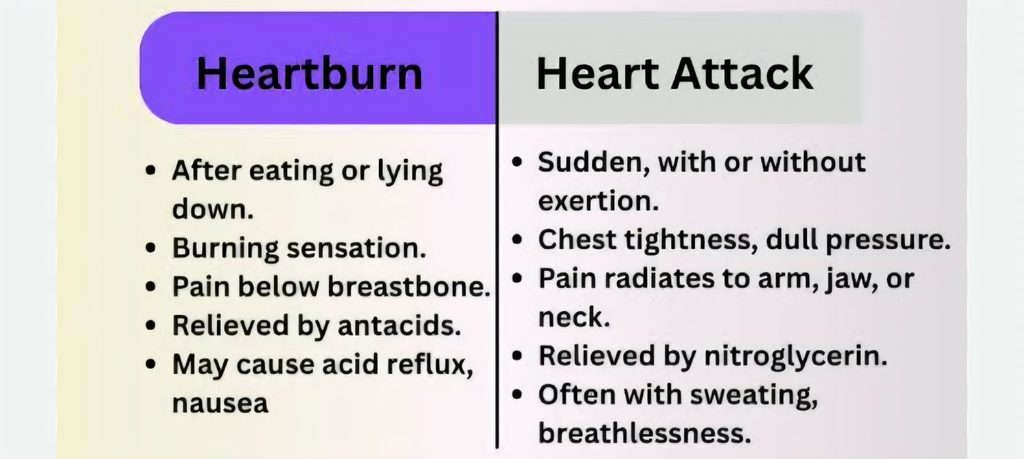
Q: How to differentiate between Heartburn /acidity and Heart attack
Conclusion
Hypertension is a manageable condition when caught early and addressed with consistent lifestyle changes and, when necessary, medical treatment. Regular blood pressure monitoring, a heart-healthy diet, physical activity, and stress management can dramatically reduce your risk of serious complications like heart attack and stroke. If you haven’t checked your blood pressure recently, now is a good time to start.
Disclaimer: This article is for informational purposes only and is not a substitute for professional medical advice. Consult a healthcare provider for diagnosis and treatment .