
Vitamin B12 is a water‑soluble vitamin with many essential functions in the body.
It is necessary for keeping your nerves healthy, supporting the production of DNA and red blood cells, and maintaining normal brain function.
Vitamin B12 is absorbed in the stomach with the help of a protein called intrinsic factor. This protein binds to the vitamin B12 molecule and enables its absorption into the blood and cells.
Excess vitamin B12 is stored in the liver. If you consume more than the recommended daily intake (RDI), your body saves it for future use.
Because the body cannot produce vitamin B12 on its own, you must obtain it from your diet or supplements. Here are 12 foods rich in vitamin B12 to consider adding to your meals.
Key takeaways
- Vitamin B12 supports nerve health, red blood cell and DNA production, and typical brain function, and most adults need about 2.4 micrograms daily.
- The richest sources of vitamin B12 are animal products like liver and kidneys, clams, beef, fish, eggs, and dairy, as well as some fortified foods for vegans.
- People at higher risk of vitamin B12 deficiency may need vitamin B12 supplements, and treatment for pernicious anemia can involve lifelong injections or high dose oral B12.
What Is Vitamin B12 Deficiency?
Vitamin B12 deficiency, also called cobalamin deficiency, occurs when your body does not get enough vitamin B12 from food or cannot absorb it properly. Vitamin B12 is an essential nutrient that helps your body produce red blood cells and DNA, the genetic material in all cells. It plays a vital role in overall body function. Without treatment, vitamin B12 deficiency can lead to physical, neurological, and psychological problems.
Symptoms and Causes
Symptoms of vitamin B12 deficiency
Physical symptoms can include:
- Feeling very tired or weak
- Experiencing nausea, vomiting or diarrhea
- Not feeling as hungry as usual
- Losing weight
- Having a sore mouth or tongue ulcers
- Having pale skin
Neurological symptoms can include:
- Numbness or tingling in your hands and feet
- Vision problems
- Having a hard time remembering things or getting confused easily
- Having a difficult time walking or speaking like you usually do
- Psychological symptoms can include:
- Feeling depressed
- Feeling irritable
- Vitamin B12 deficiency happens if you aren’t eating enough vitamin B12 or your body isn’t absorbing the vitamin B12 you consume.
- Situations or conditions that can cause vitamin B12 deficiency include:
- Lack of vitamin B12 in your diet: People who don’t eat enough foods that have vitamin B12 or don’t eat foods fortified with B12 can develop a deficiency.
- Gastritis: Gastritis is inflammation of the stomach lining, and it’s a common cause of vitamin B12 deficiency. It can cause vitamin B12 deficiency due to a lack of hydrochloric acid in your stomach, which you need for B12 absorption.
- Pernicious anemia: People who have pernicious anemia don’t make intrinsic factor. You need intrinsic factor so your body can absorb B12 vitamin. People with pernicious anemia have a B12 vitamin deficiency.
- Digestive diseases: Diseases that affect your digestive system, like Crohn’s disease and celiac disease, can prevent your body from fully absorbing vitamin B12.encing a change in the way you feel or behave
- Surgery: People who have had gastrointestinal surgery — like a gastric bypass — can have difficulty absorbing vitamin B12.
- Alcohol use disorder: This condition can damage your digestive system and cause vitamin B12 deficiency.
- MTFHR deficiency: A gene mutation (change) that makes it harder to metabolize B12 correctly. You need higher doses of vitamin B12 to function well and, sometimes, a special methylated B12 supplement.
- Transcobalamin II deficiency: This is a rare genetic disorder that makes it hard for vitamin B12 to circulate in your body.
- Risk factors or Complications of B12 deficiency
- Left untreated, vitamin B12 deficiency can cause lasting side effects that affect your nervous system and brain. More severe side effects include:
- Peripheral neuropathy
- Degeneration of your spinal cord
- Paralysis
- Bowel incontinence and/or urinary incontinence
- Erectile dysfunction
- Paranoia and delusions
- Memory loss
- Diagnosis and Tests –
- How is vitamin B12 deficiency diagnosed?
- Specific tests to help diagnose vitamin B12 deficiency are:
- Complete blood count (CBC)
- Vitamin B12 test
- Methylmalonic acid (MMA) test
- Homocysteine test
Management and Treatment
How is vitamin B12 deficiency treated?
Getting more vitamin B12 treats the deficiency. Providers may prescribe cyanocobalamin, a human-made form of B12. Options for vitamin B12 treatment include:
- Vitamin B12 oral medication
- Vitamin B12 injections
- Vitamin B12 nasal spray or nasal gel
- Eating more foods that are rich in B12 (like meat, fish, eggs and dairy)
- Depending on the cause of the deficiency, you may only need treatment until your vitamin B12 levels are back to normal, or you may need B12 therapy for the rest of your life.
Should you take vitamin B12 supplements?
Vitamin B12 supplements are recommended for people who are at risk of vitamin B12 deficiency, including:
- older adults
- people who are pregnant or nursing
- vegetarians and vegans
- people with intestinal conditions
- people who have had stomach surgery
Like the vitamin B12 in fortified sources, the B12 in supplements is synthetic, so it’s vegan-friendly.
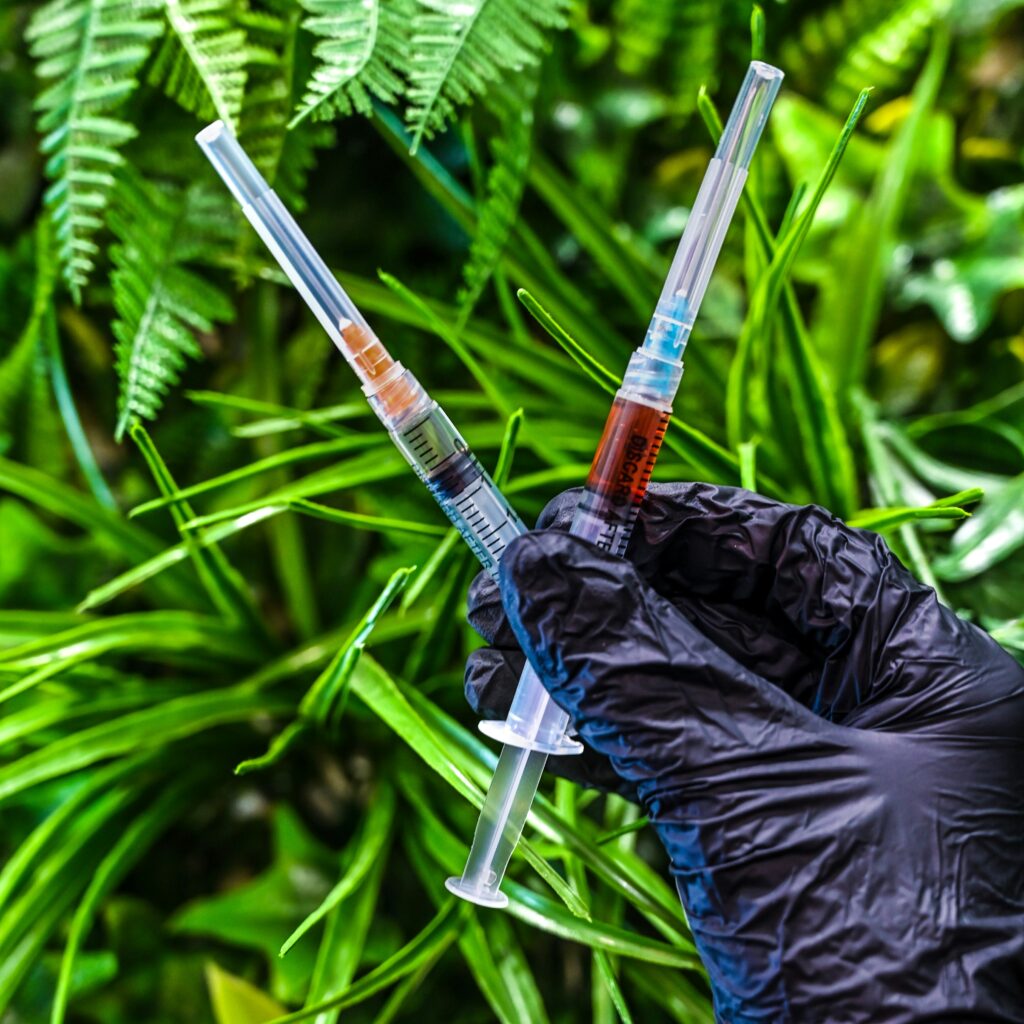
Vitamin B12 supplements can be found in many forms. You can swallow, chew, or drink them or place them under your tongue. A healthcare professional can also inject you with vitamin B12.
Research has shownTrusted Source that vitamin B12 taken by mouth and muscular injection are equally effective at restoring B12 levels in people with a deficiency.
Pernicious anemia
However, vitamin B12 deficiency is not always caused by inadequate dietary intake. It’s sometimes caused by a lack of intrinsic factor.
Lack of intrinsic factor is most common in older people and is usually associated with an autoimmune disease called pernicious anemia.
The most common treatment for pernicious anemia is lifelong vitamin B12 injections, but small amounts of vitamin B12 are absorbed without intrinsic factor.
One 2016 reviewTrusted Source concluded that taking 1,000 mcg daily is an effective alternative to injections.
Frequently asked questions
What is vitamin B12 deficiency?
You may develop a vitamin B12 deficiency if your body doesn’t produce enough intrinsic factor or if you don’t eat enough vitamin B12-rich foods.
Vitamin B12 is mainly found in animal products, especially meat and dairy products. However, for those eating vegan diets, fortified foods can be good sources of this vitamin.
What food is highest in B12?
Organ meats, such as liver and kidneys, are very high in vitamin B12. Clams also contain large amounts of vitamin B12.
Which fruits have the most vitamin B12?
Fruit does not contain vitamin B12. You can get vitamin B12 from animal meats, dairy products, eggs, and some fortified products, such as breakfast cereals and nutritional yeast.
How do you increase your vitamin B12 levels naturally?
You may be able to increase your vitamin B12 levels by consuming foods that are high in vitamin B12. These typically include animal meat, dairy products, and eggs.
You could also take dietary supplements. In people with pernicious anemia, treatment may include vitamin B12 supplements or injections.
Vitamin B12 is a key nutrient your body needs for many essential functions.
It’s found in animal products, fortified foods, and dietary supplements. Some of the richest sources are liver, beef, sardines, clams, and dairy products.
Whether you want to increase your vitamin stores or prevent deficiency, eating these foods may considerably improve your overall health.
Pingback: Hypertension Explained: Tips You Need to Know - HEALTHBLOG